Unhurried Weekends on Foot in the Cotswolds
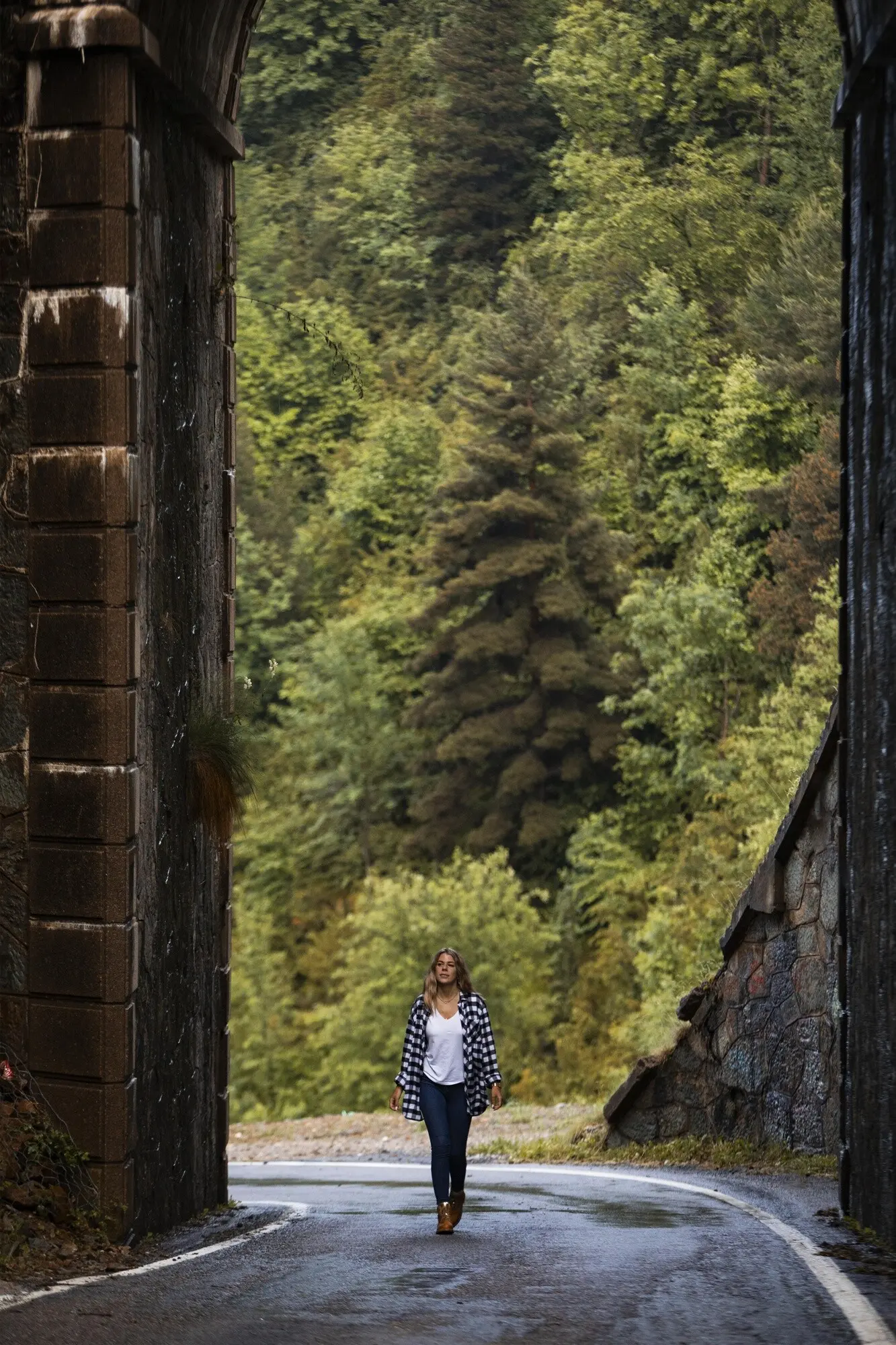
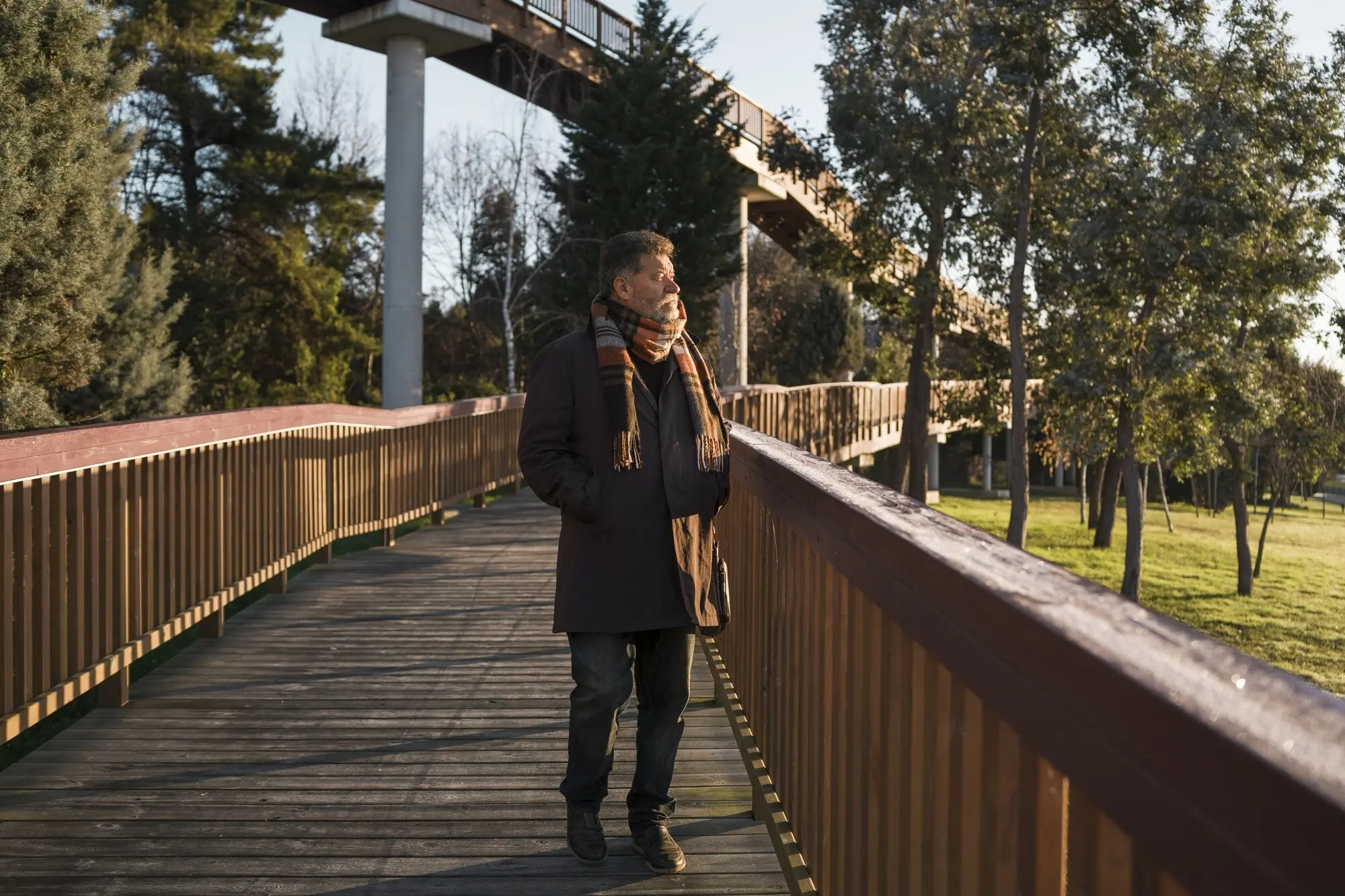
Step into a gentler pace with Slow-Travel Weekends: Car-Free Stay-and-Walk Itineraries in Cotswold Villages, where trains, buses, and beautifully waymarked footpaths replace traffic and stress. We invite you to linger in stone villages, savor local flavors, meet craftspeople, and discover how leaving the car behind can deepen connection, lighten impact, and fill your days with quietly memorable moments worth sharing.

Rail and Bus Gateways That Welcome Walkers

Begin at Moreton-in-Marsh for quick connections toward Stow-on-the-Wold and Bourton-on-the-Water, or alight at Kemble for Cirencester links and southern hamlets. Pulhams Coaches and Stagecoach routes fan outward, letting you step off, shoulder a light daypack, and immediately find fingerposts guiding gentle lanes and sheep-stubbled fields. With paper timetables saved offline, you can pivot plans gracefully when whims or weather shift.

Packing Light, Moving Freely from Platform to Path

Choose breathable layers, merino socks, and a compact rain shell, then decant toiletries into travel bottles to keep your bag delightfully small. Trail shoes with grippy soles serve gravel lanes and meadow paths equally well. A collapsible water bottle, tiny first-aid kit, and OS Maps app round out confidence, while a paperback or small sketchbook invites unhurried pauses in church porches, green-side benches, and sunlit tea rooms.

Wayfinding Confidence on Historic Rights of Way

Yellow arrows and acorn symbols guide rights of way and the Cotswold Way, yet reading hedgerows, gates, and stiles turns navigation into local conversation. Match landmarks with map contours, greet farmers and fellow ramblers, and trust steady pacing rather than hasty strides. When mud gathers on boots, take it as counsel to slow, admire lichen on walls, and notice skylarks scribbling sound into the open sky.

Getting There Without a Car

Arriving smoothly sets the tone for a restorative escape, and the Cotswolds make it easy. Great Western Railway links London Paddington to Moreton-in-Marsh, Kemble, and Kingham, while local buses knit together villages with dependable frequency. Planning arrivals around daylight, pairing tickets with simple walking distances, and allowing time to pause at station cafes transforms the journey into part of the pleasure, not merely a transfer.

Stay Where You Wander

Base yourself in inns and cottages that nudge you out the door, already within earshot of church bells and the morning clink of milk bottles. Central stays shrink logistics, letting breakfast spill into a leisurely stride across greens and lanes. Hosts often know the gentlest loops, rain-sure shortcuts, and golden-hour vistas, turning accommodation into a friendly guidepost rather than a distant nightly obligation.

Village Hearths in Broadway, Stow, and Painswick

Choose an old coaching inn on Broadway’s High Street, honeyed stone glowing at dusk, or a tucked-away B&B near Stow’s market square, where antiques beckon between walks. In Painswick, narrow lanes curl toward beacons and yew-dotted churchyards. Being steps from footpaths means spontaneous rambles, easy pub suppers, and dawn ambles before crowds arrive, embracing that delicate blend of convenience, authenticity, and lingering village rhythm.

Breakfasts That Fuel Miles and Curiosity

Start with farm eggs, seeded bread still warm, and jam with a whisper of hedgerow berries. Ask about local cheese, honey from nearby hives, or porridge brightened by orchard fruit. A well-fed morning invites flexible mileage, with snacks tucked sparely rather than burdensome picnics. Your hosts’ tips about seasonal puddings or Friday markets quietly stitch today’s walk into a delicious, lived-in itinerary without overplanning.


Three Sample Circuits from Classic Villages

These unhurried loops invite you to wander out after coffee, amble through meadows, and return in time for scones, never worrying about car parks or one-way lanes. Distances stay friendly, with options to lengthen if skies brighten. Each route traces watercourses, commons, and ridge views, rewarding curiosity over speed while leaving room for detours toward galleries, farm gates, and wayside benches with generous horizons.

Eating Slow, Sourcing Local

Food punctuates the day’s discoveries, turning modest distances into flavorful chapters. Farm shops brim with cheeses, crusty loaves, and apples that taste of hedgerow breezes. Pubs favor seasonal menus; tea rooms remember how to welcome damp jackets with a smile. By choosing nearby producers, you reduce footprints and uncover stories—fields behind flavors, names behind labels—so each bite mirrors the landscapes your footsteps traced.

Picnics Collected from Farm Gates and Markets

Gather a compact picnic: a wedge of Single Gloucester, beetroot chutney, seeded crackers, and pears blushed by September light. Tuck everything into a cloth, add a small knife, and favor reusable containers. Choose a stile with a view, mind gates and livestock, and pack out every crumb. When the breeze rises, tea from a flask feels ceremonial, turning a simple stop into a gently celebrated, thoroughly local interlude.

Pubs That Cook with Weather and Place

Look for blackboards changing with the fields: nettle soup in spring, lamb with rosemary in early summer, pears poached in cider as hedges gild. Ask about the brewer down the lane or the beekeeper across the hill. Share plates, linger over stories, and listen as regulars trade footpath news. Good cooking steadies tired legs, stitching warmth into the evening so tomorrow’s wander begins already nourished.

Tea Rooms, Bakeries, and That Second Slice

No rush: order the extra scone. Watch rain bead on the window while steam wanders above your cup. A village bakery’s cinnamon and butter can comfort thin sunshine into something generous. Ask for recommendations, learn names, and notice the friendly choreography between counter and tables. In small places, returning twice in a weekend becomes a handshake, a quiet promise to come back when the hedgerows bloom again.

Moments and Encounters Along the Way

The Dry-Stone Waller at the Field’s Edge

He set a capstone, stepped back, and explained how gravity and good judgment hold centuries together. You learned to read stones like sentences, patient and precise. Walking on, you saw other walls anew—patched places, mossed stones, careful corners—each a quiet signature of local craft. Later, passing again, you waved; he lifted his hammer in reply, two strangers threaded briefly by place and purpose.

When Lanes Turn to Mirrors After Rain

A shower silvered the hedges, puddles set the sky at your feet, and the air smelled of nettles and clean slate. You slowed, photographed reflections until boots blurred into brushstrokes, and laughed at the small splash that kissed your calves. Moments later, sunlight returned like forgiveness, steam uncurled from stone, and the village looked gently laundered, ready for fresh footsteps and another unplanned discovery.

Bells, Dawn Light, and the First Footsteps

Wake early, lace quietly, and slip into lanes before breakfast chatter. Bells mark the hour, a baker props the door, and mist worries the meadow as swallows stitch morning together. Your feet learn the village before queues and cars, practicing gratitude with each measured step. Returning, you smell toast and hear friends gathering—proof that beginnings can be both solitary and deeply shared by day’s first light.

Plan, Share, and Return

Gentle preparation makes spontaneity possible. Scan weather windows, plan loops with options, and grant yourself a flex hour for unexpected galleries or rain-shelter conversations. Walk lightly, leave paths tidier than found, and share back: photos, tips, and bus notes that help the next walker. Each visit teaches the next, weaving community across weekends until leaving the car behind feels not radical, simply right.