Wander the Cotswolds by Petaled Paths

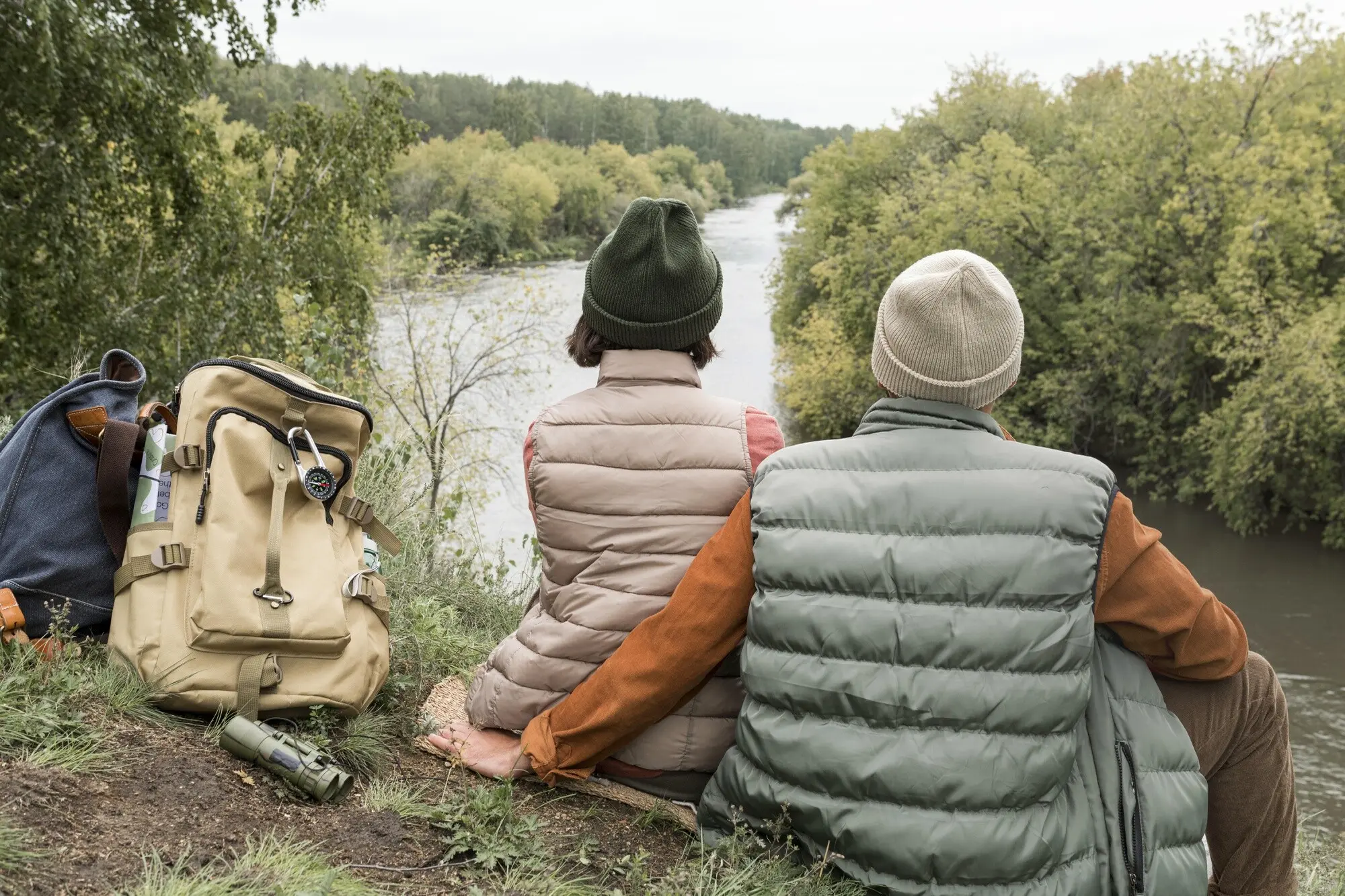
Step into a car-free adventure across the Cotswold hills, following seasonal wildflower footpaths that stitch quiet hamlets together like fragrant threads. This guide celebrates seasonal wildflower footpaths connecting Cotswold hamlets without a car, offering bloom-savvy ideas, safe navigation, and heartfelt stories that help you travel lightly, savor village life, and return home with pollened boots and a brighter spirit.

Finding the Blooming Lines Between Villages

Across these limestone uplands, paths follow sheep tracks, parish lanes, and hedgerow corridors where primrose, cowslip, and harebell guide your stride. We show how contours, church towers, and dry-stone walls reveal gentle links between settlements, so you can weave uplifting circuits that favor blossom-rich verges, soft meadow edges, and bird-filled copses, all while staying on public rights of way and savoring unhurried, car-free rhythm.

Reading the Landscape

Scan skylines for landmark beeches, weathered barns, and ridgeways running parallel to spring-fed streams. Chalky gateways open onto buttercup floodplains; larks lift where turf stays short. Church bells often mark midday rest spots, while sun-facing slopes hold earliest blooms. Let shadows, wind, and scent help you choose kinder gradients that feel like stitched invitations between neighboring doors.

Season by Season Blossoms

In April, primroses fringe banks and bluebells pool in ancient copses; by May, cowslips and early orchids sparkle across thin soils. June lifts buttercups and oxeye daisies, then knapweed, scabious, and marjoram carry color into August. Autumn swaps petals for hips, haws, and sloes, guiding you by berry-glow. Choose routes that mirror these rhythms, celebrating scent, sound, and shifting light.

Linking Quiet Hamlets the Gentle Way

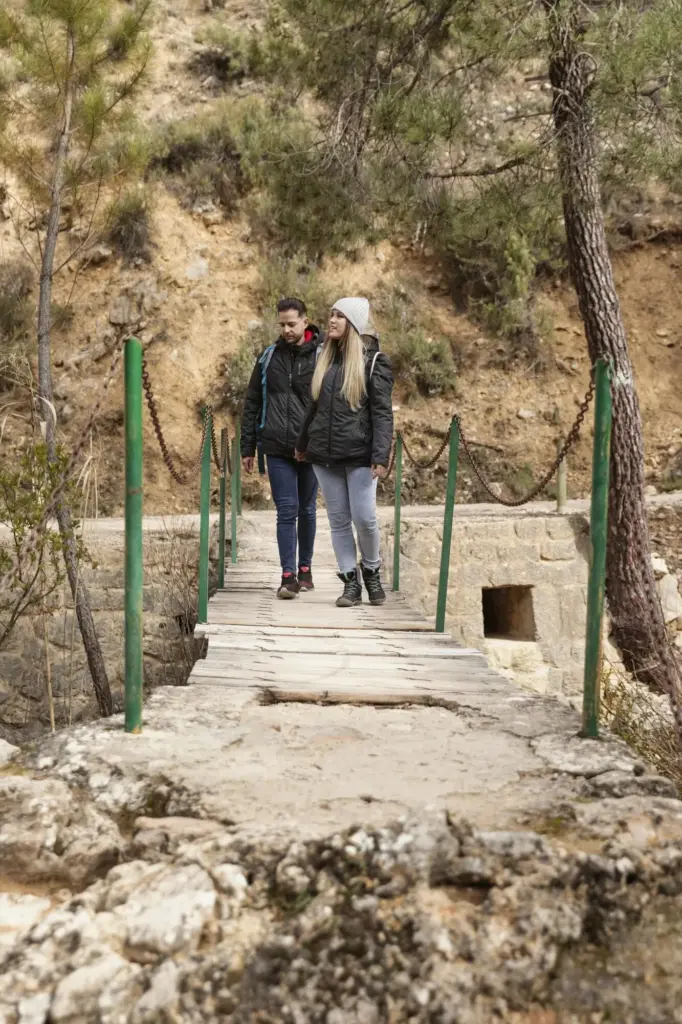
Follow the River Eye’s easy curves where wild garlic perfumes shaded banks and water avens nod beneath alder. After the ford, a footbridge leads to lamb-dotted pastures and buttercup shine. Millstream murmurs guide your pace toward Naunton’s dovecote and churchyard yews, where a shared bench welcomes sandwiches, refilled flasks, and brief conversations that bloom into directions and local lore.
Climb gently through thyme-scented turf where skylarks stitch sound above stone barns, then drift along field margins blushed with sainfoin and birdsfoot trefoil. A waymarked descent reveals Stanton’s honeyed cottages, while a parallel contour keeps you on meadow tops for longer views. Times this with June’s orchids and July’s marjoram, and village wells feel like arriving to old friends.
Slip between hedgebanks where dog rose braids with hawthorn, tracing spring-fed trickles that broaden into tranquil pasture rivulets. Butterflies skip ahead over quaking grass, and a stone clapper invites dawdling. Church bells drift along the valley, promising shade and water. Chat with a passerby about weather and waymarks, then carry their smile as surely as any plotted line.

Calcareous Grassland Jewels

On sunny banks, look for thyme, marjoram, salad burnet, and rock-rose weaving with delicate fairy flax. Orchids love these lean places; tread on bare soil or path centers where possible. Notice quaking grass shimmering like rain, and bees concentrating on clustered heads. Identifying a single species often opens conversations, invitations, or shortcuts shared kindly at the next gate.

Hedgerows and Lanes in Bloom

Spring begins with blackthorn froth and primrose constellations, then cow parsley flurries like lace along lanes. By midsummer, dog roses, honeysuckle, and elderflower sweeten shaded verges where speckled wood butterflies patrol. Step lightly to leave nectar for insects, and pause to listen for yellowhammer song, a bright jingle that seems to bless your steady, car-free pace.

Waterside Ribbons Along Streams

Where paths shadow brooks, look for water forget-me-not, meadowsweet, ragged-robin, and flag iris swaying beside stepping-stones. Dragonflies patrol like jeweled guardians, and the cool damp edge eases summer miles. Use bridges, not tramlines across marsh; boards and fords exist for reasons. Keep dogs from nesting banks, and let the stream keep its hush.

Arrive Light, Wander Freely

Reaching these paths without driving is easier than it looks. Trains whisk you to gateways like Moreton-in-Marsh, Kemble, or Charlbury, and local buses link market towns with outlying stops near lanes and greens. Pack layers, a light waterproof, and a flask; plan flexible loops rather than fixed deadlines. If schedules slip, villages usually offer a welcoming porch, church nave, or friendly pub where patience tastes like gratitude.

Sharing Fields With Farmers and Wildlife

Look ahead for stock, read body language, and choose an alternative field edge if animals cluster on the line. In spring, curlew and skylark nest invisibly; remaining on trodden paths matters. If you open a gate, close it as found. A simple greeting and a friendly pace reduce anxiety, build trust, and keep flowers flourishing.

Stiles, Gates, and Waymarks Explained

Arrows help: yellow for Footpaths, blue for Bridleways, red or green for permissive routes; fingerposts often hide in hedges. Modern kissing gates may include dog latches or side gaps. Resist cutting corners, which widens desire lines across orchids. Report broken fixtures kindly when you can. Each small act keeps these delicate connections open for everyone who follows.

A Chance Chat Beside a Kissing Gate

He had mud on his cuffs and a pocketful of twine. We swapped forecasts, then he taught me the local name for harebell, blue devil, laughing sky. In return, I showed my pressed cowslip. We parted with directions to a shaded spring and a promise to wave if future footsteps braided us together again.

When Orchids Surprised a Tired Afternoon

A drizzle cooled shoulders, spirits flagged, and the map tried to leave on the wind. Then a scatter of purple spikes appeared beside the stile, more and more with every careful step. Strangers arrived softly, and we whispered names like blessings. Sometimes the path gives gifts precisely when patience and slowness create room to receive them.

Your Turn: Share, Sketch, Return

Will you tell us about a bench carved with initials, a ridge windy with thyme, or a ford that shone like a mirror at sundown? Send a note, sketch, or list of waymarks, and subscribe for bloom alerts. Your stories expand these connections, keeping car-free possibilities bright for neighbours, visitors, and the wild companions beside us.