Roll the Cotswolds Your Way

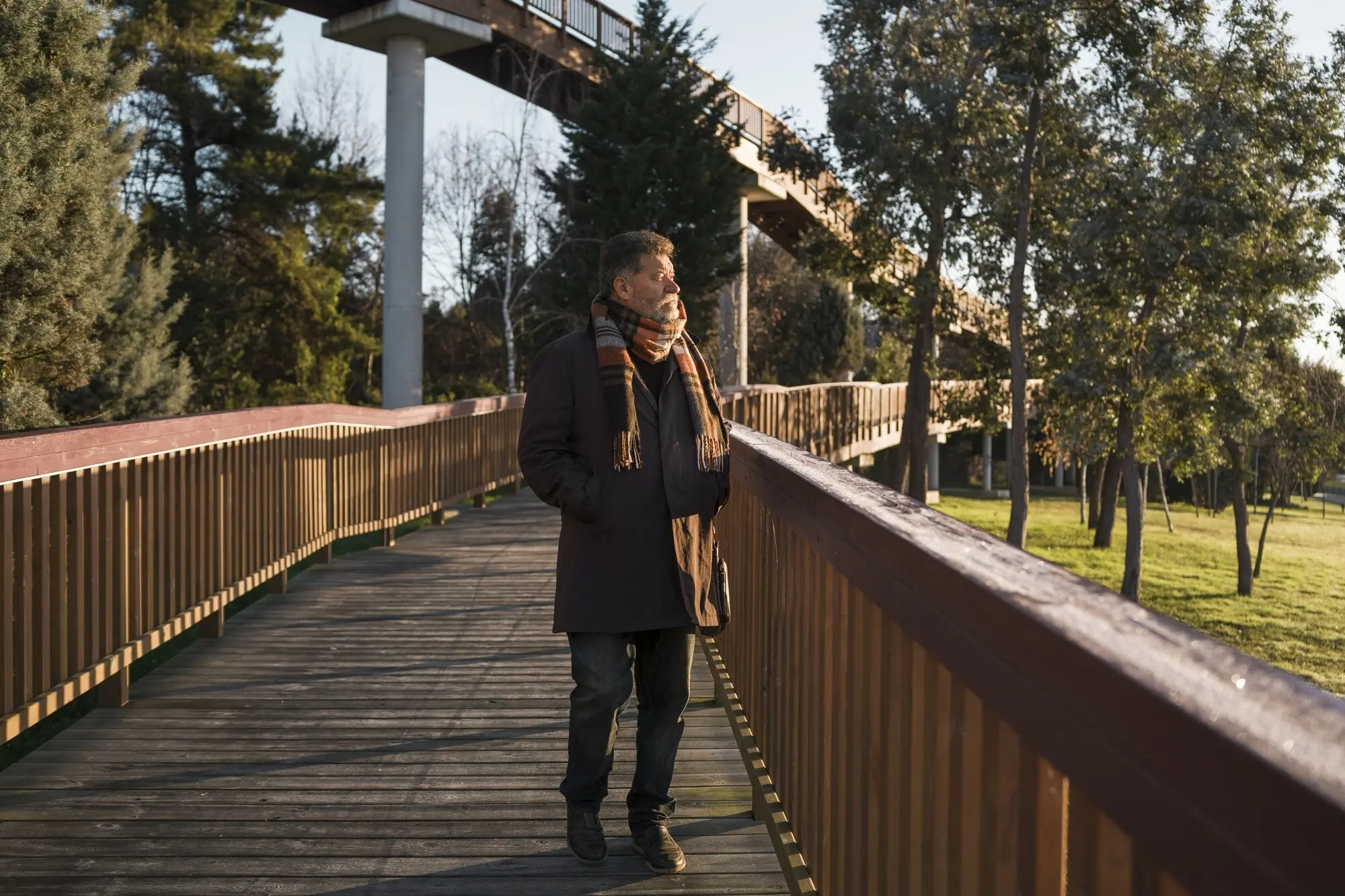
Set out for Accessible Cotswold Walks: wheelchair- and stroller-friendly village routes that begin right at train platforms and bus stops, then meander past honey-stone cottages, greens, and riversides. Expect clear surfaces, gentle gradients, practical rest points, and welcoming locals. We share candid tips, real experiences, and step-free highlights so your day trip starts confidently and unfolds with calm, scenic ease.

Step-Free Arrivals: From Train Doors to Village Greens

Arrive without anxiety. These routes begin at well-situated stations and central bus stops, using pavements with dropped kerbs, clear crossings, and obvious landmarks. Short distances to cafés, greens, and shops mean less pushing, fewer transfers, and more time for slow, satisfying moments among mellow limestone and friendly chatter.

Moreton-in-Marsh: Smooth Link from Platform to High Street

From Moreton-in-Marsh station, a broad, mostly level pavement heads directly to the High Street in minutes. Dropped kerbs, tactile paving, and frequent crossing points make navigation intuitive. On market days, skirt the edges for space, then enjoy benches outside bakeries while wheels rest and pastries disappear.

Broadway: Gentle Pavements and a Green Worth Pausing For

Alight by Broadway’s High Street stops and roll along wide, well-kept pavements shaded by chestnuts. The gradient is kind, camber modest, and crossings well-sited. Disabled bays near the green allow rendezvous. Public loos are nearby, usually accessible, and tea gardens welcome prams without fuss or side-eye.

Bourton-on-the-Water: Riverside Without the Wobbly Bridges

Buses set you close to the Windrush, where level pavements trace the water. Skip the charming arched footbridges; they are steep and narrow. Stay riverside on the east bank for smoother rolling, pausing at low kerbs for duck-watching, gelato spoons, and unrushed people-waving across the shallows.

Reading the Ground: Camber, Kerbs, and Drainage Lips

Watch for subtle cambers guiding rain toward gutters, especially beside greens. Take crossings square-on to avoid catching tiny front wheels. Where new surfaces meet old, slow slightly and aim for flatter joins. Small observations like these prevent jolts, conserve strength, and keep conversation happily flowing beside you.

Gradients in Practice: When Gentle Still Feels Long

A shallow rise over several streets can tax wrists and shoulders like any short ramp. Break climbs into tidy segments using benches, low walls, and café stops. Rotate pushing partners, adjust power settings if available, and celebrate small crests with postcards or shared scones under shade.

Widths and Turning Circles in Lanes and Gateways

Historic lanes sometimes narrow by pubs, hedges, or delivery vans. Look ahead for gaps or recessed shopfronts to turn smoothly. Most routes maintain comfortable widths, but brief squeezes are easier if you plan gentle arcs, keep elbows tucked, and signal intentions with relaxed eye contact.

Surfaces, Slopes, and Peace of Mind

Predictable footing keeps energy for delight. Expect tarmac, compact gravel, and slabbed village paths rather than muddy rights of way. Gradients stay gentle, with clear camber. When a squeeze appears, there is usually a thoughtful passing point, a bench, and a smiling shopkeeper ready to wedge a door.

Comfort Stops and Friendly Facilities

Well-timed pauses help everyone enjoy the day. Expect accessible toilets signposted near village centers, step-free cafés with space for prams, and shaded greens with benches. Hours vary seasonally, so a quick check before departure saves frustration and ensures you glide toward treats, not locked doors.
Many Cotswold villages use the National Key Scheme; carrying a RADAR key prevents awkward waits. Apps like AccessAble and Great British Public Toilet Map help confirm hours and features. As insurance, note café restrooms en route and a short detour to bus-station facilities if needed.
Look for level thresholds, light chairs that move easily, and menus posted at a readable height. Staff are usually delighted to help, especially if you explain space needs on arrival. Quiet back rooms, courtyard tables, and pram-friendly corners keep breaks restorative rather than restless.

Market Squares and Story-Laden High Streets

Time visits when stalls are fewer, or trace the quiet edges where flagstones sit smoother. Peek into wool-merchant doorways, admire carved lintels, and chat with makers. You will collect stories as easily as souvenirs, while keeping turning circles comfortable and crossings relaxed, even on busier Saturdays.

Riverside Vistas That Welcome Wheels

Close to the Windrush and Evenlode, broad pavements shadow the water, letting prams and chairs share the same outlook as artists. Benches face the flow, ducks provide cheerful company, and low parapets invite safe leaning without blocking wheels, handles, or the camera searching for reflections.

Churches, Yew Walks, and Quiet Corners

Many parish churches keep a side door with a portable ramp or shallow threshold, and stewards who gladly assist. Yew-lined walks are usually level near porches, offering shade, birdsong, and contemplative pauses. Ask before photos; gratitude unlocks local lore and sometimes an unexpected bell-ring.


Preparing Smart: Weather, Timing, and Light Packing

Small choices shape big comfort. Study forecasts, favor all-weather paths after rain, and time buses to dodge crowds. Pack a RADAR key, compact rain cover, nitrile gloves, a lightweight sling for steps-free transfers, and a power-bank, then enjoy spontaneity built on dependable planning.

Try These Step-Free Village Strolls from Transit